Sematta: A Modern Script Font for Handmade Branding and Crafts
When you are designing a product that needs to stand out on a crowded digital shelf or catch the eye at a local craft fair, your typography does more than just convey information—it sets the tone. For handmade sellers, printable creators, and small shop owners, finding a typeface that balances artistic flair with commercial readability is often the difference between a forgettable item and a bestseller. Enter Sematta, a contemporary handwritten script font with a modern twist that brings dynamic energy to any project.
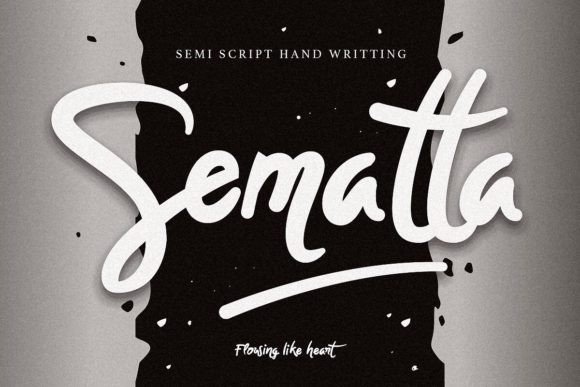
Sematta belongs to the growing category of creative fonts designed for visual impact. Unlike traditional calligraphy which can sometimes feel stiff or overly formal, Sematta mimics the natural flow of brush strokes. This gives it an effortless, energetic vibe that feels personal yet polished. Whether you are creating labels for artisanal candles, designing wedding invitations, or producing SVG files for Cricut users, this script font offers the perfect blend of charm and professionalism.
Visual Personality and Creative Appeal
The core appeal of Sematta lies in its ability to look like it was written by hand while maintaining the consistency required for mass production. The letters feature varying stroke widths that emulate the pressure of a real brush, adding depth and texture to your designs without requiring complex graphic manipulation. This makes it an excellent choice for brands looking to establish a warm, approachable identity.
In the world of modern typography, there is a high demand for fonts that feel authentic. Sematta delivers this through its fluid connections and organic curves. It avoids the overly decorative pitfalls of some script fonts, ensuring that your message remains clear. This balance is crucial when you are working on packaging design or social media graphics where viewers scroll quickly. You need a font that stops the scroll but doesn’t confuse the reader.
Practical Applications for Crafters and Sellers
One of the most versatile aspects of Sematta is its adaptability across various physical and digital products. As a creator, you know that a single design asset should serve multiple purposes. Here is how Sematta fits into common crafting workflows:
- Product Labels and Stickers: For boutique tags, soap labels, or jar stickers, Sematta provides a premium look. Its clean lines ensure that text remains legible even when printed on small surfaces. Pairing it with a minimalist layout can elevate simple items like bath bombs or honey jars into gift-worthy products.
- Invitations and Stationery: Wedding stationery, birthday cards, and event signage benefit greatly from the elegance of a handwritten font. Sematta works beautifully for names, dates, and titles. Because it has a modern twist, it pairs well with both rustic farmhouse themes and sleek contemporary aesthetics.
- Digital Printables and Planners: If you sell digital downloads on platforms like Etsy, cover pages and headers are critical. Using Sematta for main titles adds a touch of personality to planner pages, journal covers, and wall art prints. It draws the eye immediately, encouraging customers to preview the interior content.
- Merchandise and Apparel: For t-shirts, tote bags, and mugs, display fonts need to be bold enough to read from a distance. Sematta’s dynamic strokes hold up well on fabric and ceramic surfaces, especially when used for short phrases, motivational quotes, or brand logos.
- Social Media Graphics: In the age of Instagram and Pinterest, your visuals are your storefront. Sematta allows you to create eye-catching quotes and announcements that align with current design trends. Its energetic vibe matches the fast-paced nature of social feeds.
Readability and Production Considerations
While aesthetic appeal is important, practicality is what keeps a business running smoothly. When using Sematta for cutting machines like Silhouette or Cricut, it is essential to consider the complexity of the letterforms. The flowing connections in script fonts can sometimes cause issues with weeding if the design is too intricate. However, Sematta is designed with a modern sensibility that keeps these connections manageable.
For small stickers and product labels, test your designs at actual size before committing to large print runs. The thin parts of the brush strokes might become difficult to see if the resolution is low or if the label material is textured. Always export your files in high-resolution formats (such as PDF or PNG with transparent backgrounds) to ensure crisp edges. When creating mockups for your online store, use Sematta to demonstrate how the font looks in context, helping customers visualize the final product.
Another key consideration is the length of text. Like most script fonts, Sematta is best suited for short phrases, names, titles, and decorative wording. Attempting to set long paragraphs in this typeface can result in a dense, hard-to-read block of text. Reserve it for headlines and accents, and let other fonts handle the body copy. This hierarchy guides the customer’s eye and improves the overall user experience of your design.
Font Pairing Strategies
To maximize the impact of Sematta, pair it strategically with complementary typefaces. A common and effective strategy is to combine an expressive script font with a clean sans serif font. The contrast between the organic, flowing curves of Sematta and the geometric precision of a sans serif creates a balanced composition that feels both artistic and structured.
For example, you might use Sematta for the main title of a wedding invitation and a simple sans serif for the details like time, date, and location. This ensures that all necessary information is easily readable. Alternatively, pairing a bold display font with a simple serif font can add weight and tradition to your designs, which is particularly useful for heritage brands or classic-themed events.
Licensing and Commercial Use
As a professional seller, understanding licensing is non-negotiable. Before using Sematta for any commercial purpose, including selling physical products, templates, printables, digital downloads, SVG designs, merchandise, or client work, you must review the specific license agreement provided by the foundry. Most premium fonts require a commercial license that allows you to use the typeface in products you sell, but terms can vary regarding the number of end-products or digital impressions.
Always keep a record of your purchase receipts and license certificates. This protects your business in case of audits and ensures that you are respecting the intellectual property rights of the designer. Investing in a proper commercial font not only legalizes your operations but also supports the typographers who create these valuable design assets.
Finalizing Your Design Workflow
Incorporating Sematta into your creative process can significantly enhance the perceived quality of your handmade goods. Its modern, handwritten style bridges the gap between personal touch and professional polish. By paying attention to pairing, readability, and licensing, you can leverage this versatile typeface to build a strong brand identity that resonates with your audience. Whether you are launching a new line of skincare products or designing seasonal holiday decor, Sematta offers the flexibility and charm needed to make your projects shine.